Category: Educational

  • Dental Radiography and Regulation

    Dental Radiography and Regulation

    Introduction

    There are currently 61,879 registered dental nurses according to the latest General Dental Council’s (GDC) figures. As Dental Care Professionals (DCP), they play a vital role in the delivery of care for patients, and often take on more advanced clinical and non-clinical responsibilities in addition to their main duties.

    As a result of the GDC ‘Scope of Practice’ document, originally published in September 2013, dental nurses are permitted to carry out extended duties under varying levels of supervision. By undertaking these duties, a dental nurse can demonstrate their versatility, utility and value to employers, thereby improving career prospects.

    Despite improvements in modern technology and ways of working, the role of radiography continues to play a fundamental part in dentistry throughout primary, secondary and tertiary care. From endodontics to periodontology, oral medicine to orthodontics, radiography underpins diagnosis and treatment planning.

    When considering professional career development in the form of post-registration qualifications, it can make sense to start with a familiar area with a broad set of applications already embedded within dentistry, like radiography. However, dental nurses are increasingly becoming involved with Cone Beam CT (CBCT) scanning, 3D scanning and surgical template planning, highlighting that the post-registration qualification can continue to be relevant many years later, delivering returns for those motivated enough.

    As well as the exciting practical aspects of radiography, there are the theoretical aspects which also need to be understood to gain a qualification. Understanding the regulatory aspects of radiography can initially be daunting for anyone at any level, and the consequences of non-compliance can be severe. Therefore, it is important to choose an appropriate Awarding Organisation (AO), with a reliable accredited course provider and a clear syllabus.

    NEBDN provides a number of Post-Registration certificates which allow for the demonstration of knowledge, skills and professional attributes for specialised areas of practice, it has been awarding qualifications for over 78 years, and ensures that students’ knowledge, understanding and practical skills are assessed by highly experienced course providers.

    Regulation

    In the UK, all dentists and dental care professionals are required by law to be a registrant of the General Dental Council (GDC), the regulatory body for dentistry. The GDC recommend at least five hours per CPD cycle for DCPs, but only if they undertake radiography.

    Dental practices also come under independent regulators:

    -Practices in England are regulated by the Care Quality Commission who do so under the auspices of the Health and Social Care Act (HSCA) 2008.
    -Practices in Northern Ireland are regulated by the Regulation and Quality Improvement Authority (RQIA)
    -Practices in Scotland are regulated by Healthcare Improvement Scotland (HIS)
    -Practices in Wales by Healthcare Inspectorate Wales (HIW).

    In addition to the HSCA regulations there are two sets of dedicated legislation and relevant professional guidelines which govern the use of dental X-ray equipment:

    -Ionising Radiation (Medical Exposure) Regulations 2018 (IRMER 2018) which relate specifically to protection of the patient.
    -Ionising Radiations Regulations 2017 (IRR 2017) which relate to the protection of workers and the public
    -Guidance Notes for Dental Practitioners on the Safe Use of X-ray Equipment

    It is important to remember that there is context behind the regulation, legislation and guidelines which govern DCPs, primarily for the safety of patients, but also for you, your team, and the public. Therefore, gaining a solid understanding of these will make for a safer, more confident and able care provider.

    In Practice

    Despite being dry reading, healthcare providers do their best to be compliant, but this can prove to be difficult due the various pressures experienced in the settings in which dentistry is undertaken.

    Key questions for the critical-minded dental nurse trying to better understand how regulation intersects with their life at work might be:

    • Has the dental provider or organisation registered with the Health and Safety Executive (HSE)?
    • Has the dental provider taken on the services of a medical physics expert (MPE)?
    • Has the dental provider taken on the services of a radiation protection adviser (RPA)?
    • Has the dental provider documented the arrangements for radiation protection physically or digitally? Have you had the opportunity to read these, and could do so again if you chose?
    • For any new equipment, was there ever a Critical examination (CE) and Acceptance Test?
    • Is the radiography equipment maintained or serviced, by an appropriate company, such as the organisation which installed the equipment?
    • Is the radiography equipment subject to regular quality assurance/performance testing?
    • Are there regular audits of the quality of radiographs? What were the outcomes, interventions and re-audit results?
    • If you stay within the room when taking radiographs, are you/your team outside the scatter zone and the path of the beam? If not, are staff using dosimeters?
    • Is your radiography equipment located in a surgery or separate room, and not in a public area or open corridor?
    • Is the equipment intact and steady? Are rectangular or circular collimators used?


    By engaging with these questions and finding out best practice, you can be assured that you’re compliant within the regulatory landscape and can demonstrate a solid understanding of it. If you’re not sure what to make of these questions, how they apply to you or how to begin to confidently formulate an answer, it may be worthwhile discussing with a senior member of the team. And if they’re not sure, it may well be worth considering a post-registration qualification so that someone is!

    Confidence with NEBDN
    A qualified dental nurse who is awarded the NEBDN certificate in Dental Radiography will be able to act under prescription as an IR(ME)R operator to safely take intra-oral and extra-oral radiographs of patients. The additional skills and confidence acquired, together with the theoretical knowledge of radiation and regulation gained, will enhance dental nurses personally and professionally, and bring benefits to employers and to patients.

    The certificate is equivalent to a Level 4 qualification, perfect for bridging the gap to getting level 5 qualifications which is ideal for those considering undertaking a degree in later years.
    The course involves the practical and theoretical aspects of radiography within dentistry. Dental nurses will gain knowledge of the importance of safe radiation along with the various types of radiographic images required within dentistry and the purposes of these.

    Dental nurses are required to complete a work-based Record of Competence (RoC) and an online written examination. These logs of experience capture vital information about the Dental Radiography cases prescribed by the Clinical Referrer. The workplace ‘Witness’ will grade general performance against a number of competencies, and candidates are supported to reflect on their swiftly developing performance and skills.

    Finally, there is a 90-minute online written examination composed of two sections:
    • Part A – 45 multiple-choice questions (MCQ)
    • Part B – 30 extended matching questions (EMQ)

    Summary
    As NHS and private healthcare begins the long road to recovery from the impact of COVID-19, optimising and upskilling the workforce in order to deliver more effective, efficient services makes logical sense. The astute practice manager or hospital performance and operations manager will be considering how their teams can best deliver care. For aspiring dental nurses, keen to develop themselves professionally and to stand out from the crowd, an NEBDN Post-Registration certificate can make all the difference in this period of change. Post-Registration certificates can help dental nurses develop into more confident, active members of their team and could be the next step in their exciting professional career.

    James Ashworth-Holland

    NEBDN Trustee


    References available on request.


  • Life as a key worker through COVID-19

    Life as a key worker through COVID-19

    This month’s Crowning Careers spotlight is on Dorota Mela, who shares her experience as a Dental Nurse working through Coronavirus (COVID-19).

    Dental nursing wasn’t something that I planned to do, it just happened in my life. 20 years ago, when I was young, and not sure what I wanted to do, my friend gave me a leaflet about a dental nursing course run by a local medical school. It seemed like a good idea at the time and my plan was to do it till I figure out what I wanted to do with my life. 20 years later I’m still working in dental nursing, not because I’m still unsure on what I want to do, but because I love it.

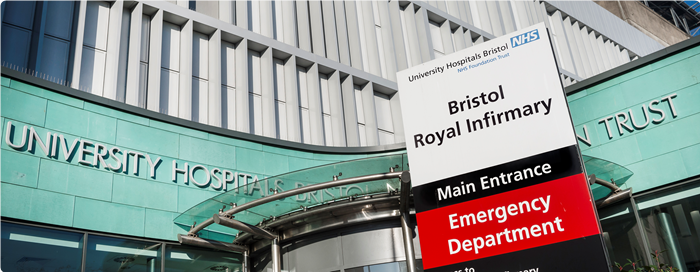
    I completed my qualification in Poland in 2000, where I spent some time working in private surgeries. In 2009 I moved to the UK, where I built my experience working in NHS and private practices. Currently I work for the Primary Care Dental Service in the University Hospitals Bristol Trust, as a Float Dental Nurse, Band 4. Recently, after successfully passing my Oral Health Education NEBDN exam, I’ve been offered a place in the Oral Health Promotion team in Bristol. During the weekends I usually help the out of hours team as a dental nurse, but now due to COVID-19 this role is on hold to help me focus on my main job.

    In Primary Care Dental Service, I usually work between seven different clinics located around Bristol, where the leading group of patients are primarily older patients that are medically compromised, or patients that have additional needs and who struggle with access to General Dental Practitioner (GDP) practices. As a dental team we don’t see as many patients as standard GDP practices, but treatments are usually more severe, so we need to be focussed and present. We are expected to be flexible, resourceful, and dedicated, which has helped me in adjusting to my new situation working during COVID-19.

    Working in the COVID-19 pandemic has been challenging and was scary at the beginning. The community service where I work has been transformed into Urgent Dental Care (UDC) hubs. No one I know has gone through anything like this, it’s a new situation. With all the news articles around COVID-19 highlighting the potential risks of infections, this has built up fear and created lots of questions from patients.

    Each day we face a lot of new challenges, but with guidance and advice from the dental hospital, we manage to create a safe working environment. There is a limit to how many patients we can see daily to deliver safe treatment, so spaces are allocated very carefully to people who really need urgent dental help, which is a big challenge and responsibility for triaging dentist, as we all know what we would consider to be urgent treatment doesn’t always meet patients perception of immediate need. We work in small groups which includes a treatment coordinator, dentist and two nurses. As a team we have increased our focus on communication. This part has become more critical now than ever, to ensure additional requirements whilst working around COVID-19 are met safely and follow the latest guidance. Before taking patients to surgery, we all have a small briefing to cover any government/practice updates. Hence, everyone knows exactly what treatment they can expect and what kind of equipment is going to be needed. The whole patient journey through to treatment is planned well in advance, to be as prepared as possible.

    For me personally, all of this was a very scary experience to start with, we all felt the same, and even now there is an element of stress, but every single patient seen in the hub is giving me more confidence and assurance in the service we are providing during this difficult time.

    There is no less or more important job to do, we all must rely on each other’s professional judgment. It’s phenomenal how this has created a special bond within the team. It’s given a new level of trust and solidarity to each member. For me, the most essential aspect of my job now is efficient communication. Every day I learn something new, so I try to pass my experience to others, and they do the same. The morale is much stronger than usual and the fact that that every single patient who I see in the UDC hub really appreciates my work, helps a lot. People have been sending cards and other small gestures alike to show their gratitude. It shows me that we are still as needed here as we were before the pandemic and will be after it all is over. Finally, I believe that we will fight COVID-19, and I’m proud to be part of the history. It is a truly rewarding experience and I hope to bring some positivity to dental nurses redeployed or thinking of volunteering their time.

    The below links include volunteer, paid and redeployment job roles.

    https://www.england.nhs.uk/coronavirus/returning-clinicians/dental-professionals/

    https://www.gdc-uk.org/information-standards-guidance/covid-19/covid-19-latest-information/covid-19-latest-guidance-for-england

    https://www.goodsamapp.org/NHS

  • A spotlight on Hannah Grieves

    A spotlight on Hannah Grieves

    This month’s Crowning Careers spotlight is on Hannah Grieves, an NEBDN course provider, who shares her journey from Dental Nurse to Development Manager.

    My career in dentistry started as a trainee Dental Nurse with a small independent practice back in 2005. I qualified with NEBDN in 2006 and went on to gain my Fluoride Application certificate. I always had a passion for dental nurse training and soon began training all new dental nurses within the practice and supporting with their qualifications. Seeing them develop into confident qualified dental nurses gave me such a buzz.

    The practice was eventually sold to a corporate company in 2014. This opened a whole world of opportunities for me. A role was soon advertised for a Patient Care Trainer to cover the area of 12 practices, I didn’t hesitate to apply for it. I was successful in the application and I enjoyed the role for four months. I travelled to the practices and inducted the new trainee dental nurses and managed their training.

    Eventually a job became available in the area for a dual site practice manager. I applied for it and leading up to the interview I spent my spare time learning elements of the role, reading up on CQC manager registration and doing anything that would help me on the day. I was offered the role and honestly it was one of the best moments of my career.

    I began my journey with {my}dentist in 2016, when I relocated to the North East and was offered two wonderful practices to manage. In 2017 the role of Dental Nurse Trainer for the North East & Scotland was advertised by the Academy team and I didn’t hesitate to apply. After being in the role for nine months I was asked to take on the role of Regional Training Partner, were I was involved in the delivery of workshops for Practice Managers. Alongside this the Academy enrolled me onto a Learning and Development level 3 qualification, which I completed at the end of 2018.

    I took over the role of Dental Nurse Development Manager for {my}dentist in October 2018 and I must say it’s the job I have the most passion for. The role is brand new to the business and I was over the moon to be given this opportunity. It combines my love of training and developing dental nurses with managing a team. I am now also an examiner for NEBDN, which I really enjoy doing and find very rewarding. I would recommend this to any qualified dental nurses who have a passion for training and supporting trainees.

    Since joining the academy, I have never looked back. We are a fantastic team, and everyone is so passionate about learning and development. {my}dentist really does support the development of their employees and I couldn’t be prouder to work for them.

    Dental nursing has always had my heart, and to anyone reading this I hope I have inspired you to take opportunities and develop. If I can do it so can you.

    If you’d like to view current job posts click here 

    If you’re interested in becoming a trainee dental nurse click here

  • Coronavirus (COVID-19) update #2

    Coronavirus (COVID-19) update #2

    Our upcoming exams for the March Post-Registration qualifications are still going ahead as planned. Further 2020/21 exams will be monitored alongside the government guidance and severity of the virus across the UK, with the safety of staff, exam teams and candidates in mind. Hand gels will be supplied at our exam centres where possible.

    Should a candidate be identified to have the Coronavirus, we will allow the candidate to be deferred to the next exam date as part of our Exceptional Mitigating Circumstances (EMC). The EMC form will have to be returned to NEBDN alongside evidence of the illness such as a letter from a medical professional.

    If you have any questions or concerns, please speak to your course provider directly.


  • From Dental Nurse to Dentist

    From Dental Nurse to Dentist

    In this month’s Crowning Careers article, we hear from Suki Nandra, Specialty Registrar in Orthodontics who shares her experience on becoming a Dentist.

    Unlike most dentists, I started my journey in dentistry as a student dental nurse. I sat my NEBDN nursing exam 10 years ago and I am currently a Specialty Registrar in Orthodontics at Guy’s and Medway hospitals.

    After completing my A-Levels I, like many teenagers, was unsure of my future career aspirations. I personally have never been one to favour the academic pathway, so I chose to complete a one-year dental nursing course instead of going to university to study biomedical sciences. The course gave me the opportunity to learn a practical skill where I could work clinically in a hospital and attend lectures on a weekly basis.

    It is an understatement to say when I started as a student dental nurse, I was very naïve to all things dental and at the age of 18 even the workplace seemed foreign. I would still to this day describe my year as a student dental nurse as one of the hardest learning paths I have taken, yet it is likely the most crucial as it paved the way for the rest of my career.

    After completing my dental nurse training, I went on to work as a qualified dental nurse in the orthodontic department at the Eastman dental hospital and assisted postgraduate students. Despite enjoying my job, I couldn’t help imagining what it would be like working on the other side of the patient. By chance I found out that the University of Sheffield accepted dental nurses with A-Levels onto their dentistry programme and after one year I had secured a place in dental school. The University of Sheffield remains the only UK University to recognise and accept the dental nursing qualification as part of a dentistry application. My nursing knowledge and familiarity in the dental environment helped me massively through dental school and luckily made exams involving charting, cross infection and instruments a breeze. Almost certainly, the most important advantage of being a dental nurse before a dentist is that I have a better understanding of how it feels to work on both sides of the patient. I appreciate the frustrations, elations and general emotions that both roles entail during the day. This has helped my working relationships with my team, as I feel a well-functioning team only produces better care for patients.

    Since qualifying as a dentist I have worked in multiple specialties (Oral Maxillofacial surgery, Restorative, Paediatric and Special Care Dentistry) and in multiple settings (Practice, Hospital, Community). Whilst working through training posts I also completed my MFDS (Membership of the Faculty of Dental Surgery) and a Postgraduate certificate in Medical Education.

    This year I have embarked on a three-year specialty training programme in Orthodontics. It is strange to think that I spent years assisting postgraduate students and 10 years later I am one myself. I would not say my journey has been an exceptionally hard transition but it has involved a lot of work. There probably isn’t a more fitting individual than a dental nurse to become a dental clinician and it is definitely more than possible for dental nurses to train as dentists; it’s all about taking that leap.

    For those interested, my article in the BDJ Team describes the application pathways for dental nurses applying for dentistry roles: https://www.nature.com/articles/bdjteam201824.

  • From Dental Nurse to Quality Manager

    From Dental Nurse to Quality Manager

    For this month’s Crowning Careers, we are joined by Emma Hoyles, Quality Manager at NEBDN who joined the Charity in May 2019.

    My career as a qualified NEBDN Dental Nurse started in 1999 following a whole day of examinations (I sympathise with students as back then it was a vigorous style of oral, practical, written and multiple-choice questions all in one day). When I left school, I went to college and trained to be a Nursey Nurse and got a job at a private day nursery. However, not long after that I decided it wasn’t for me. I felt disheartened after spending all that time studying and wasn’t sure what to do next. I then found an advert in a local newspaper for a trainee dental nurse position and have not looked back since!

    Once I gained employment as a trainee nurse, I spent three years at a practice in Lancashire learning all the practical aspects of the job. The practice had six surgeries and was a busy high street NHS surgery that supported the training of foundation dentists as well as trainee dental nurses. I had to attend night school every Thursday evening from 6-10pm to learn all the theory content.

    I then moved on to Manchester as a qualified dental nurse working for a city centre high street mixed NHS and private practice. Initially I spent most of my time working in surgery and then learnt further aspects of the job like running the reception, stock ordering and supporting with the implementation of quality processes and systems. This then led to becoming one of the senior nurses within the practice. I loved every minute of it and especially liked implementing new systems and training and developing new staff. Watching other people’s skills and knowledge improve was very rewarding. After three years I was then promoted to be a Dual Site Practice Manager, which involved looking after two city centre practices in Manchester.

    Being a practice manager was great, but I missed the practical side of the job and the face to face interaction with patients, so I decided to look for other opportunities and in 2006 I went to work for NHS Direct as a Dental Nurse Advisor. My role there involved the clinical triage and assessment of patient’s not under the care of a dentist or during the out of hours period. This enabled me to provide clinical advice within my scope of practice and signpost patients to the most appropriate service, dependant on their needs. I was quickly promoted to team leader whilst there managing a team of 25 dental nurse advisors. However, due to some organisational changes and contracts ending, I decided to return to my former role as practice manager between 2010 – 2013.

    After working in public and private sectors I realised I enjoyed working in the public sector the most and carried on my career progression to Cumbria where I worked as a Network Manager for the Community NHS Dental service. It was a big step-up in terms of seniority, so it was quite a challenge. I looked after 10 sites across Cumbria with operational responsibility for approximately 150 staff members. The service covered a broad spectrum of patients including patients with complex medical needs or suffering from severe dental anxiety, special care patients, patients with oral cancer and paediatric patients requiring treatment under general anaesthetic.

    Working here gave me a good experience of engaging with wider stakeholders and patient groups. I enjoyed the operational aspect of that job. However, I have always had a passion for quality, governance, education and supporting the progression of role of the dental nurse. I stumbled across the NEBDN role on Facebook and after reading the job description I felt it was the perfect job for me. I’ve now worked here for over five months and love the diversity of the role. I love working with the team and getting to meet different types of course providers and influencing and improving our quality assurance processes. I feel proud that I have gone full circle, from sitting an NEBDN exam to now working here. After taking different career paths I feel I was meant to stay within the field of dental nursing. I am passionate that I can support education and help to shape the future of dental nurses.

    My advice to future dental nurses thinking about their next steps, would be to stay true to your own personal values and put time and effort in when you can. Gain all the knowledge and skills available when opportunities arise and don’t be afraid to try different roles to see what area you work best in. I never thought I would be working for NEBDN or undertaking a master’s degree in healthcare leadership and management – I am now half way through completing my course and I couldn’t be prouder of myself and my achievements.

    If you would like to work at NEBDN click here

    Alternatively, follow our monthly recruitment posts to see the latest opportunities available on our news page.

    Emma Hoyles, Quality Manager at NEBDN

  • GDC release joint statement on benefits of being a reflective practitioner

    GDC release joint statement on benefits of being a reflective practitioner

    The General Dental Council (GDC) along with eight other healthcare regulators, have published a joint statement on the importance and benefits of being a reflective practitioner. Click here to read.

    They have worked together to develop a statement, which sets out each of the organisations’ requirements for reflection. It also offers advice for practitioners on how to approach reflection effectively, both as individuals and as part of teams. This work is part of a shared commitment to drive an open and honest culture where professionals feel able to reflect on their experiences to support development and learning.

    As well as reinforcing how reflection can help dental professionals gain insight into their whole practice, the statement highlights the direct impact it can have on improving services and patient care. It endorses the value of dental practitioners reflecting in groups, teams and multi-professional settings to help develop ideas that can bring about positive change in practice. As part of this, it makes it clear that employers should encourage their teams to make time for reflection as a way of aiding development, improving wellbeing and deepening professional commitment.

    NEBDN continue to uphold GDC Standards for Education in the National Diploma qualification and encourage all Dental Nurses to read through the statement as part of their learning and development.

    The statement has been signed by the General Chiropractic Council, General Dental Council, General Medical Council, General Optical Council, General Osteopathic Council, General Pharmaceutical Council, Health and Care Professions Council, the Nursing and Midwifery Council and the Pharmaceutical Society of Northern Ireland.

  • Join the Royal Navy as a Dental Nurse

    Join the Royal Navy as a Dental Nurse

    NEBDN are supporting trainee and qualified dental nurses, by hosting monthly recruitment articles written by dental professionals from different sectors. Janice talks to us about life in the Royal Navy and the job opportunities available.

    I am Chief Petty Officer Janice Hearne. I joined the Royal Navy (RN) in 2002 as a Dental Nurse. Over the last 17 years’ life as a RN dental nurse has far exceeded my expectations, from the variety of the roles, additional qualifications, travel prospects, and finally the friends I have made along the way. My Naval journey has taken me to 29 different countries, across five continents, on board six ships. I spent time with the Royal Air Force in Cyprus and Kenya with the Army, and had the privilege to live in Gibraltar for two years.

    I have provided chairside support in some unusual places, from a tent to orphanages in Kenya, from Olympic athletes in 2012 to Friendly Forces in the Northern Arabian Gulf.

    I have developed from a Dental Nurse – Instructor – Practice Manager – Regional Practice Manager – Career Manager.

    During my time working chairside, I enhanced my professional knowledge by becoming a mentor for student dental nurses. This led to an opportunity to work as a Dental Nurse Instructor, an aspiration I would not have had the courage to achieve if I had never joined the RN.

    While working at the Dental Training School I became an Examiner for Dental Nurses. I firmly believe that the RN provided me with the experience, confidence and knowledge depth to be successful with my application. I continue to work with NEBDN and enjoy the energy given off by the candidates on examination day.

    I am also extremely lucky to work as a Specialist Advisor for the Care Quality Commission. This role links directly to the Healthcare Governance, Health and Safety, Infection Control, Patient Safety and Medical Emergency skills taught to RN dental nurses throughout our career progression.

    As a member of the Dental Identification Team (Forensics) we aim provide closure to families who have lost a loved one. This job is very rewarding. The RN has opened avenues of dental nursing for me that I never knew existed and I am grateful every day for taking that step into the careers office and choosing the RN.

    Click here for Royal Navy job applications.

  • NEBDN Conference and Reception Celebrates 75th Anniversary

    NEBDN Conference and Reception Celebrates 75th Anniversary

    Over 100 delegates from the dental nursing sector attended the National Examining Board for Dental Nurses (NEBDN) 75th Anniversary Conference and Reception, held at Millbank Tower, London on 22nd November, to celebrate the history and achievements of the organisation and look to the future for dental nursing.
    Recently appointed CEO, Kate Kerslake, along with Chair, Julia Frew, and other NEBDN Board Trustees, hosted the Conference and were delighted to welcome a variety of guest speakers who provided updates on the latest developments in dentistry and dental nursing.

    Claire Stevens, a Consultant in Paediatric Dentistry at Manchester University NHS Foundation Trust, gave a presentation on the need for a collaborative and innovative approach to improve children’s oral health. She was joined on stage by Ben Underwood, CEO of Brush DJ who provided an insight into his award-winning app.

    A panel session with guests including Diana Wincott, retired trustee of NEBDN, and Michael Wheeler, HEE Programme Manager, discussed memories of dental nursing in the 1960s and examined what opportunities there are for Dental Nurses now and in the future.

    A celebratory reception, held the same evening, welcomed key figures from NEBDN’s past including Nairn Wilson, Emeritus Professor of Dentistry at King’s College London, who provided a look back at the long history of the NEBDN.  Sara Hurley, Chief Dental Officer, addressed the reception guests and congratulated the NEBDN on reaching their 75th Anniversary milestone and acknowledged their integral support in the changing landscape of Dental Nursing.

    Kate Kerslake spoke of the future for NEBDN and highlighted the Charity’s continued commitment to the research and development of relevant training for Dental Nurses.  Kate said the organisation would: “support the increase in extended skill mix within a dental setting through the provision and expansion of post qualification courses and will pilot a new Fluoride Application course early next year.”

    Kate also announced that NEBDN are reviewing their use of technology and are investing in developing the supporting framework to ensure they can maintain standards whilst moving towards delivering products and services via electronic means.

    The event saw the inaugural NEBDN Special Recognition Awards being presented to individuals who have demonstrated dedication, outstanding service and commitment to NEBDN and/or the education and training of dental nurses through involvement and achievement at a national or UK level.  Winners included Martyn Waddington who received multiple nominations for going above and beyond in his role with the NEBDN.